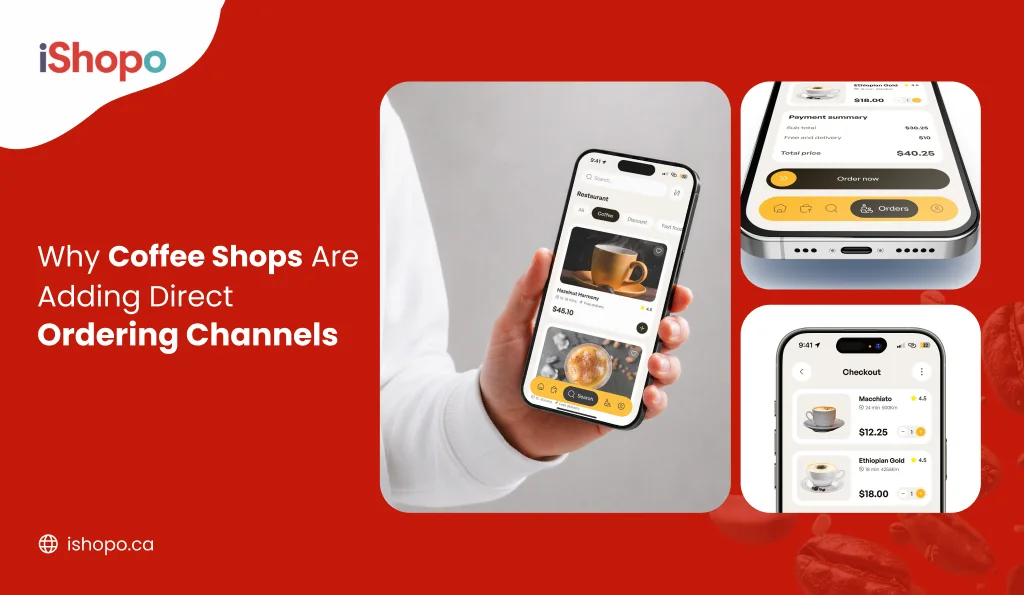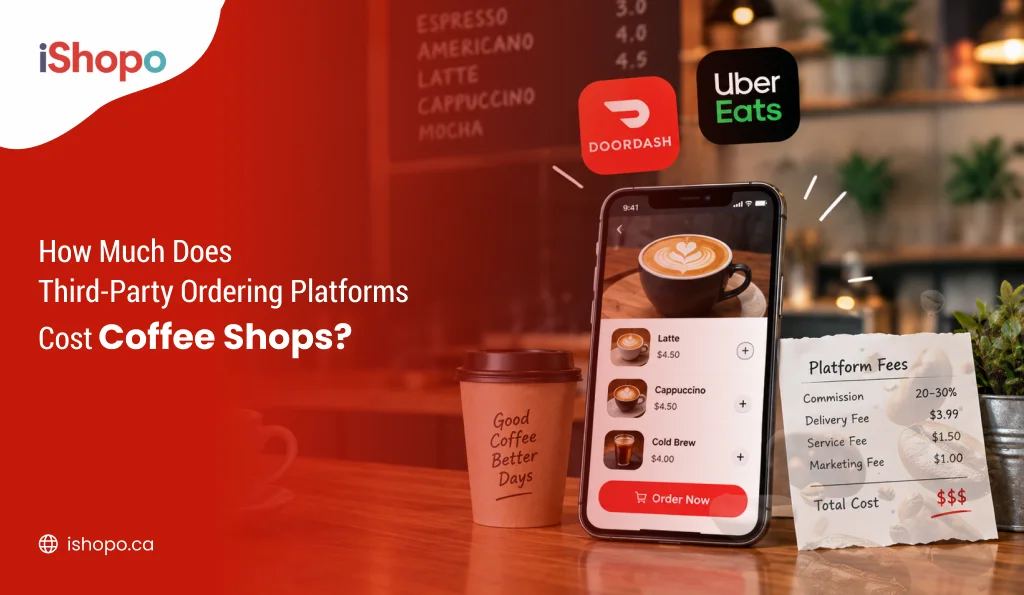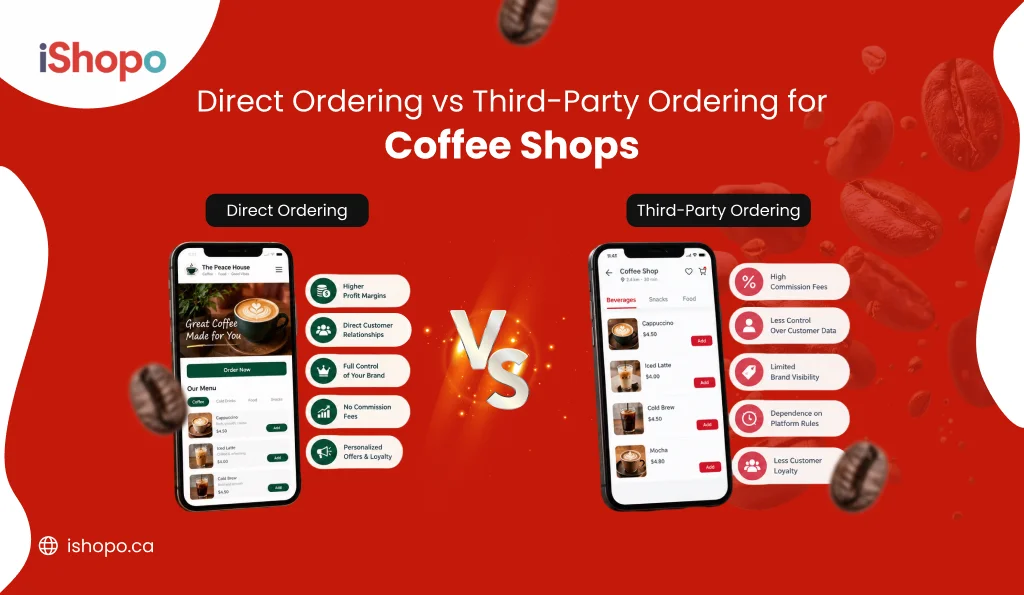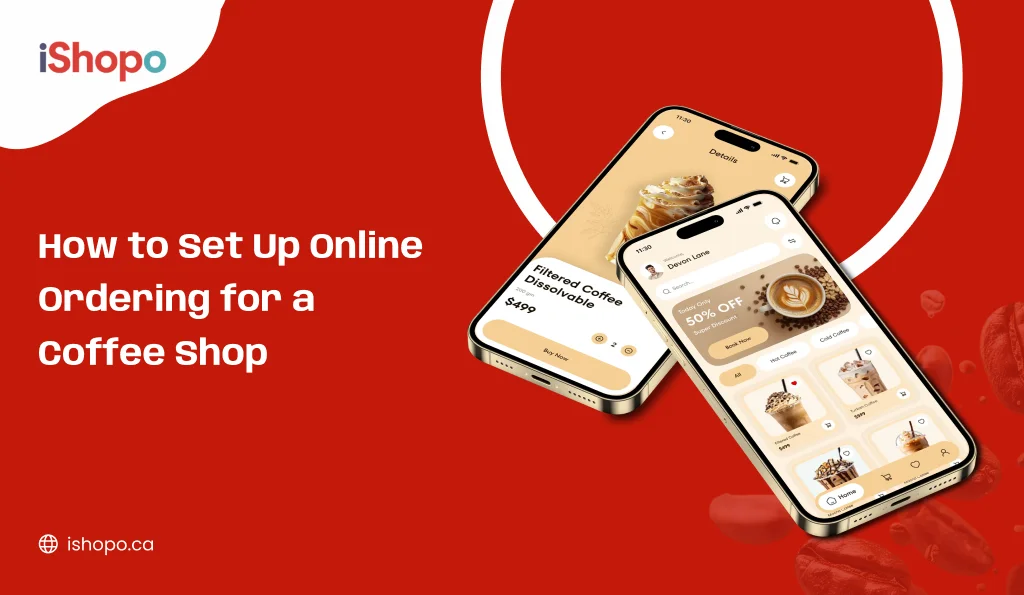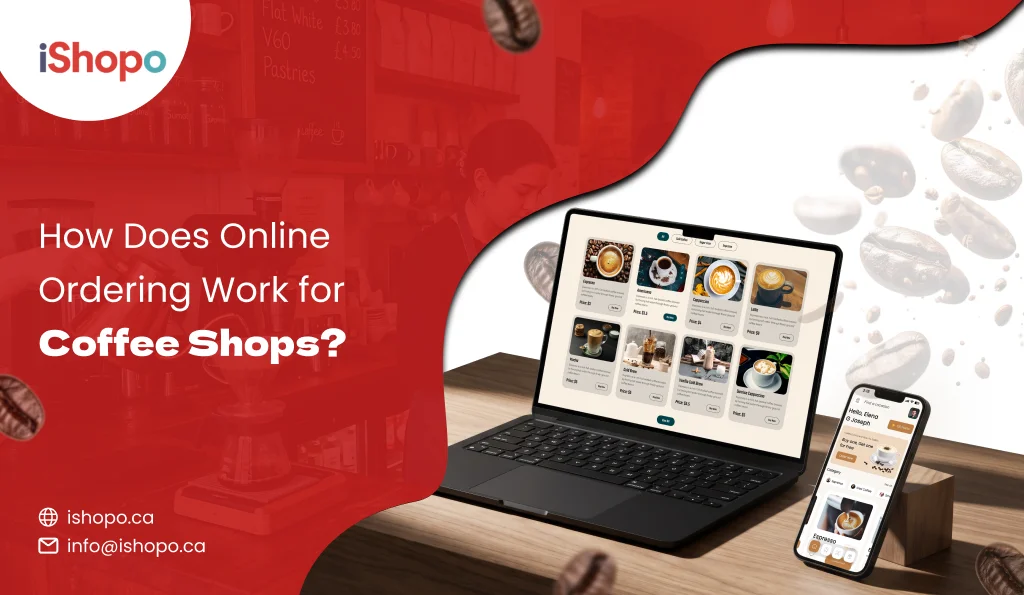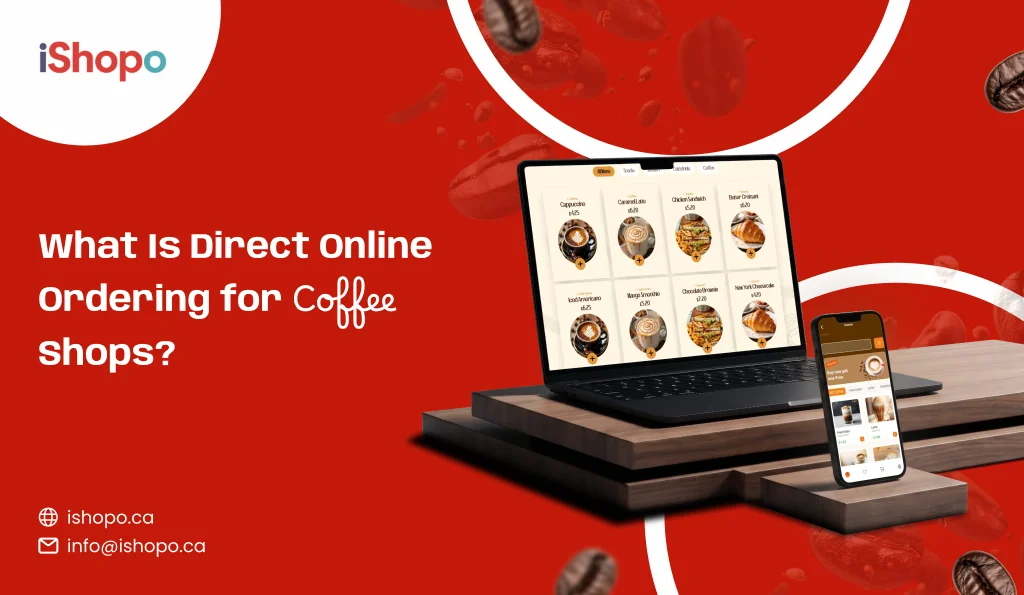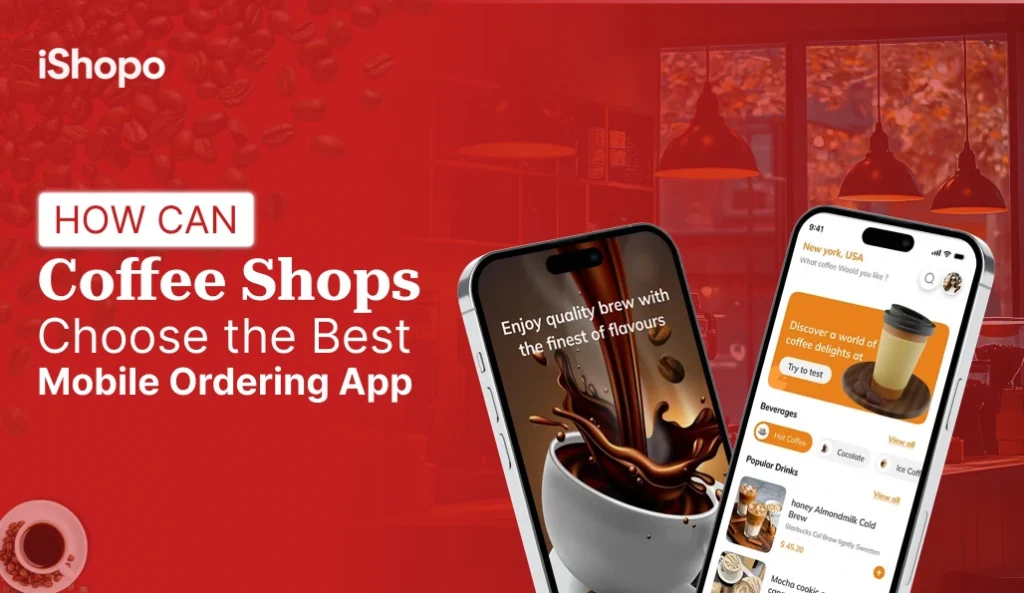

A packed coffee shop looks great until the queue starts spilling toward the door and impatient customers glance at their watches. Coffee lovers want their latte fast, and baristas want fewer mix-ups and less rush hour stress. That is where a Mobile Ordering App for Coffee shops becomes the quiet hero. It keeps orders moving before customers even reach the counter.
It also turns casual visits into regular habits because ordering becomes quick, personal, and almost effortless. Choosing the right platform can shape the way your coffee shop sells, serves, and grows. Pick a smart one, and those long lines turn into smooth, steady business.
The Rise of Mobile Ordering in Local Coffee Shops
Here’s what’s happening now and where everything is headed when it comes to mobile ordering in coffee shops.
More customers are choosing their smartphone over the counter when grabbing a drink. Around 36% of coffee buyers who visited a coffee shop in a given week placed orders through an app, up nearly 6% compared with 2024.
That shift reflects a broader pattern. Among fast-service restaurant (QSR) customers aged 18–54, 70% now use order-ahead features through smartphone apps when those are available. Even among older demographics (55–75), the adoption remains strong at 43%.
It’s not just about numbers; it’s about what coffee shops and restaurants earn when they invest in mobile ordering. Many operators report up to a 40 percent boost in revenue after implementing mobile-ordering systems.
For local coffee shops mobile ordering is no longer an optional convenience. It’s fast becoming a baseline expectation.
Looking ahead, the global food-service digital ordering market is forecast to balloon, rising toward a valuation far exceeding today’s numbers.
For a local coffee shop, embracing mobile ordering now isn’t just a smart move. It could be the difference between staying current and standing out.
TL;DR
- Mobile ordering is shaping how coffee shops serve, earn, and retain customers.
- The right app needs strong features, fair pricing, and full control of data.
- Smart selection requires evaluating needs, testing the tool, and checking support.
- Choosing wisely turns mobile ordering into a long-term revenue channel.
Key Points
- Mobile ordering has become a standard expectation for coffee lovers who want fast, personalized service without waiting in line.
- A reliable app should offer real-time menu edits, advanced drink customization, secure payments, loyalty tools, and analytics that help a café understand its buyers.
- Cost should be judged on total value, not just monthly fees, which is why transparent pricing and zero hidden charges matter.
- Coffee shops should verify who controls customer data, how easily the system scales, and what level of support is available during busy hours.
- Testing the platform in real service conditions is essential, as it reveals how the app handles actual order flow, payment issues, modifications, and peak time pressure.
- Choosing a thoughtful mobile ordering solution helps a coffee shop increase revenue, improve operations, and build stronger customer relationships over time.
Mobile Ordering Features Your Coffee Shop Shouldn’t Ignore
A strong digital ordering system does more than capture transactions. It becomes part of how a coffee shop manages demand, communicates with customers, and builds predictable revenue. When the experience is efficient and consistent, people begin to treat mobile ordering as the primary way to buy their daily coffee. That shift supports higher-order accuracy, faster service, and stronger customer retention.
Below are the core features that define a professional Mobile Ordering solution in the coffee shop industry.
Real-time menu control
Coffee menus change frequently. Stock levels, seasonal recipes, and supplier variations influence availability throughout the day. The ability to update items instantly protects customer satisfaction and avoids cancelled orders. Accurate menus also allow coffee shops to promote limited offerings, introduce new brews efficiently, and manage supply with fewer operational disruptions.
Advanced order customisation options
Customers expect complete control over their beverage. A professional Mobile Ordering system should offer structured, intuitive customization options such as milk preferences, syrup choices, brewing strength, and portion adjustments. Clear selection paths reduce errors at the counter and provide baristas with precise preparation instructions. This leads to consistent taste, fewer complaints, and more trust in the ordering experience.
Integrated loyalty and rewards programs
A native loyalty system within the mobile order flow has a direct impact on repeat spending. When points, benefits, and rewards are applied automatically during checkout, customers are more likely to return without requiring additional marketing. This feature helps smaller coffee shops retain buyers who might otherwise choose larger chains that already rely on well-established reward systems.
Optimised digital payments
Payment should be immediate and secure. The best systems support all common payment methods, such as UPI, debit and credit cards, wallets, and stored payment options. This reduces drop-offs at checkout and allows coffee shops to process a greater volume of orders during peak hours. Reliable payment management also simplifies financial tracking for audits, reconciliation, and accounting.
Value-driven push notifications
Communication through the app should be purposeful. Order status alerts help customers manage their pickup timing. Marketing messages are most effective when tailored to customer behavior, such as reminders for unused rewards or announcements of limited brews. Well-planned notifications increase engagement without overwhelming the user.
Customer data and performance analytics
A data-driven Mobile Ordering platform provides insight into buying trends, peak order times, top-selling drinks, and loyalty participation. This information supports strategic decisions related to pricing, inventory planning, staffing hours, and promotional campaigns. Data removes guesswork and helps coffee shops scale operations with precision.
By focusing on these capabilities, a coffee shop positions its Mobile Ordering system as a reliable revenue channel rather than a simple convenience add-on. It strengthens brand loyalty, improves operational clarity, and offers customers a consistent experience they remain loyal to over time.
Also, read: How to Set Up an Online Ordering System for Your Restaurant
How to Pick the Best Budget-Friendly Mobile Ordering App?
Choosing a mobile ordering platform should feel like a business decision, not a gamble. The right app supports growth without placing unnecessary pressure on your finances. A practical path is to evaluate both cost and long-term value instead of looking only at subscription prices. Here is a clear step-by-step approach for coffee shops that want the most effective Mobile Ordering solution at a reasonable investment.
Step 1: Identify your operational needs
Begin with clarity on what your coffee shop requires today and how it might evolve.
- Estimate order patterns during peak and off-peak hours.
- Decide if you need takeaway, curbside pickup, delivery or dine-in support.
- List menu considerations such as strength levels, add-ons, syrups and seasonal items.
- Assess staff size, training capability and expected order frequency.
Understanding your operational demands ensures you choose technology that aligns with your workflow rather than forcing you to adapt to a system that doesn’t fit.
Step 2: Compare pricing models carefully
Cost evaluation should include both direct and indirect charges.
- Review whether the platform takes commissions per order.
- Check for payment gateway charges and digital wallet fees.
- Look for extra charges applied to loyalty programs, analytics or promotions.
- Favor predictable pricing without surprise costs or revenue sharing.
A genuinely affordable platform safeguards your margins by keeping costs transparent, stable and independent of your sales volume.
Step 3: Prioritise core features over extras
Focus on features that directly influence customer experience and operational efficiency.
Core necessities include:
- Instant menu updates across all devices.
- Advanced beverage customization options.
- Built-in loyalty program tied to each transaction.
- Secure and fast payments with saved methods.
- Real-time order alerts and pickup notifications.
Visual extras like animations matter less than reliability, speed, and tools that drive repeat purchases.
Step 4: Evaluate user experience for staff and customers
Ease of use reduces training time and errors, making the system more cost-effective.
Look for:
- A clean interface that guides users smoothly.
- Fewer steps during checkout to reduce drop-offs.
- Clear preparation instructions for baristas.
- Automated order tickets or digital kitchen displays.
- Simple navigation for new and returning customers.
A platform that is effortless to use becomes more valuable with every transaction.
Step 5: Confirm data ownership and access
Your customer data is a competitive advantage. Protect it.
Ensure you can:
- Access purchase trends, visit frequency, and user behavior.
- Export data anytime without charges or restrictions.
- Create personalized rewards based on buying habits.
Use customer information to run independent marketing campaigns.
Owning your customer data helps you build a strong brand identity instead of relying on marketplace platforms that may compete with your business.
Step 6: Check customer support and onboarding assistance
Reliable support ensures your app remains functional during critical hours.
Look for:
- Quick assistance through chat, email, or phone.
- Onboarding help for menu setup, pricing, and offer creation.
- Training resources for your team.
- Technical troubleshooting during weekends and busy periods.
Strong support reduces service interruptions and prevents loss of revenue caused by system failures.
Step 7: Test before you decide
Real-world testing helps you see how the app behaves under pressure.
Test by:
- Requesting a live demo showing actual coffee shop scenarios.
- Running a short trial and placing real orders.
- Simulating rush periods such as mornings or evenings.
- Observing how it manages cancellations, refunds and add-ons.
A real test reveals hidden limitations and highlights strengths you can rely on.
Suggested Article: iShopo – Best Online Food Ordering Software for Restaurants
Questions to Ask Before Choosing a Provider
Before committing to any Mobile Ordering solution, a coffee shop should evaluate the provider just as carefully as the product itself. A platform may look impressive on a demo, but its true value depends on how it performs in real operations, how it handles data, and how the company supports its clients after installation. Asking the right questions helps you understand whether the provider can deliver long-term value instead of short-term convenience.
Here are the key questions every coffee shop should ask before signing up.
How does the pricing actually work?
A low monthly fee can hide multiple surcharges. Clarify the full billing structure.
Ask about:
- Commission per order or percentage cut from sales.
- Extra charges for loyalty programs, analytics or add-ons.
- Payment gateway fees and refund charges.
- Annual contracts or mandatory upgrades.
This conversation reveals whether the platform drives growth or eats into your margins.
Do we own our customer data?
Customer behavior is one of your strongest business assets. Know who controls it.
Clarify:
- Who owns purchase history and preference data?
- Whether you can export your data anytime?
- If the provider uses your data for marketing other coffee shops?
- How are customer privacy and security handled?
A professional Mobile Ordering provider prioritizes transparency and secure data access.
Are the features scalable as the coffee shop grows?
Your needs today may not reflect your needs a year from now. The app must grow with you.
Confirm whether the platform supports:
- Multiple branches in the future.
- Expanded menus, add ons and seasonal offerings.
- Delivery partners or courier integrations if needed.
- Higher order volume during peak seasons.
A scalable solution prevents you from switching systems and retraining staff later.
How easy is onboarding and day-to-day usage?
The platform should simplify operations, not complicate them.
Ask to see:
- How menus are set up and edited.
- How baristas receive orders during rush hours.
- Whether the system requires technical training.
- How the customer checks out and customizes drinks.
The smoother the experience, the less time your team spends troubleshooting.
What kind of support is available during busy hours?
Peak time is when coffee shops need the most reliability.
Confirm details like:
- Availability of customer support on weekends and mornings.
- Response time during technical issues.
- Support channels such as chat, phone, or dedicated managers.
- Assistance for payment failures or order disputes.
Strong support ensures stability when demand is highest.
How often is the platform updated and improved?
Technology should evolve with customer expectations.
Ask about:
- Frequency of updates and bug fixes.
- New features added without extra cost.
- Feedback-driven improvements based on industry needs.
- Long-term roadmap of upgrades.
A provider that invests in continuous improvement becomes a partner, not just a vendor.
These questions help you assess whether a Mobile Ordering provider is committed to your success or simply selling a subscription. The right partner will prioritize transparency, operational support, and scalable value, turning your app into a dependable revenue channel rather than a temporary experiment.
What Makes iShopo the Best Mobile Ordering Partner for Coffee Shops
iShopo is designed specifically for coffee shops that want better control over their orders, customers, and revenue. Instead of working like a marketplace that takes a cut of every transaction, iShopo gives coffee shops their own branded Mobile Ordering system with zero commission deductions. The focus is on helping businesses increase sales through loyal customer relationships, accurate ordering, and smooth in-store operations.
With iShopo, coffee shops don’t need big budgets or technical teams. The platform is built to be easy to manage, affordable to maintain, and powerful enough to support growth as order volume increases.
Here’s why coffee shops choose iShopo as their Mobile Ordering partner:
- Zero commission, which means every order becomes full profit
- A branded app that highlights your coffee shop’s identity, menu, and loyalty program
- Advanced beverage customisation built for coffee orders, not generic food menus
- Secure and fast payments with UPI, cards, wallets, and saved options
- Real-time menu updates for seasonal blends, special brews, and limited stock
- Built-in rewards and membership tools to drive repeat order
- Strong onboarding, responsive support, and no tech complexity
iShopo turns mobile ordering into a dependable revenue channel that belongs entirely to the coffee shop, helping local businesses operate with confidence and grow sustainably.
Also, read: How To Choose Cafe Ordering System for Your Small Business
Final Thoughts
Mobile ordering is no longer an experiment for coffee shops. It has become a key driver of revenue, smoother service, and loyal customer relationships. A well-chosen app lets people enjoy their favorite drink without waiting, supports staff with clear instructions, and gives owners valuable insight into demand, menu trends, and customer behavior.
Choosing the right platform requires more than comparing prices. It involves understanding your operational needs, protecting your data, reviewing how features support growth, and confirming how reliable the provider will be when your coffee shop is busy. When the technology fits naturally into daily service, it strengthens both customer experience and long-term profitability.
The goal is simple. Find a Mobile Ordering solution that helps your coffee shop work smarter, serve faster, and earn more from every cup sold. Once the right system is in place, it becomes a lasting advantage that keeps your business ahead in a market where convenience and consistency matter every day.