
One of the most fascinating and successful businesses in today’s time is a restaurant. The global restaurant and food industry is growing at a CAGR of 7.8% and is projected to reach $6.81 trillion by 2032. Therefore, everybody wants to grab this opportunity as much as they can. You might also be one of those who want to start their own restaurant.
Now there are so many types of restaurants, which can easily confuse a new businessman. With more than 30 types of restaurants to choose from, the choice is not easy. Read this blog to learn about all major and most successful restaurant types and then choose the best one.
TL;DR
- The restaurant is one of the fastest-growing markets in the world.
- There are more than 30 types of restaurant models to choose from.
- The most common types of restaurant models are fast-food, quick service, fast casual, casual dining, fine dining, and family-style restaurants.
- Restaurants can be classified based on food, service style, price, mood, place, and customer base.
Key Points
- Understanding different restaurant types helps you pick a model that actually fits your location and budget.
- Each of the common types of restaurants grows at its own pace, so choosing wisely saves future stress.
- Matching your menu and vibe with the right restaurant types can make customers return more often.
- Most successful types of restaurants grow by focusing on what people around them already want.
- When the concept and crowd fit well, any of these restaurant types becomes easier to manage and scale.
Categorizing Different Types of Restaurants
All restaurants look the same from the exterior, but if you take a closer look, there is a complete combination of styles, flavors, atmospheres, and costs that make each one unique. Categorizing or classifying different types of restaurants is not only for the luxurious ones who work in the food industry. Therefore, let us explain the things in a manner that is still authentic and not like a dull lecture.
-
Cuisine
Without the food, a restaurant is nothing. That’s the main point where the whole taste story starts. Basically, individuals judge a restaurant on the basis of how the food affects their mood. Pretty much, you can be delighting yourself with ramen; shortly after, you are having a taco, and all of a sudden, you can’t recall anything. Eating can be like therapy at certain times; however, at other times, it can be a tiny vacation, even if you do not leave the same place.
-
Service style
Service style sort of decides how the whole experience goes. Some places let you order and sit wherever you want, and some others treat you gently like a guest in their own home. And there are spots where you grab your meal and rush out because life is already fast. How the staff talks, how fast food comes, and how relaxed you feel—it all falls into this bucket.
-
Price range
Money always has a voice when people choose where to eat. Some restaurants are easy on the pocket, while others make you think twice and maybe check your balance before ordering dessert. Price doesn’t always mean better food, though. Sometimes a tiny, low-priced place hits harder than a fancy dish somewhere expensive. But yeah, price range affects who comes in and how often they return.
-
Atmosphere and ambiance
This is the part most people don’t even realize they care about until they’re uncomfortable in a cold chair or in too dim lighting. A restaurant’s atmosphere shapes how long you want to stay. Some spots feel warm and cozy, some are loud, some work well for dates, and others are perfect when you just want a quick meal before heading home. The vibe is more than decoration.
-
Location and setting
You know how a beachside café already tastes better before you even sip anything? That location is doing its magic. Restaurants near busy roads, malls, offices, or quiet streets attract different moods and different people. The setting decides how crowded the place gets, what kind of menu fits best, and what level of service feels right.
-
Target demographic
Each restaurant, however, deliberately or not, has a specific clientele in mind. Certain restaurants become visited by students due to cheap meals, while some lure office workers for lunch, others attract couples, and some set their sights on families with kids. Knowing who they want to serve helps restaurants design the entire experience.
35 Common Types of Restaurants
People mostly think that growth is a matter of luck, but the major part comes from choosing the right model for your area and your strengths. These types of restaurants have been around for a long time and are still very strong. Each one has a different vibe. Let’s understand each one of them and see which one resonates with your ideas.
| Restaurant Type | Service Style | Cuisine Focus |
| Fast Food Restaurants | Counter service, instant ordering | Familiar fast items like burgers, fries, fried chicken |
| Quick Service Restaurants (QSRs) | Counter service, very quick prep | Sandwiches, wraps, bowls, light global fast flavors |
| Fast Casual Restaurants | Counter service with relaxed seating | Modern American, bowls, salads, artisanal fast food |
| Casual Dining Restaurants | Table service, comfortable setting | American comfort foods, Italian, grills, seafood |
| Fine Dining Restaurants | Full table service with close attention | Gourmet cuisine, premium ingredients, chef-led menus |
| Family-Style Restaurants | Table service, shared dishes | Homestyle meals, comfort foods, larger portions |
| Buffet Restaurants | Self-service dining | Multi-cuisine variety, all-you-can-eat |
| Coffee Shops / Cafés | Counter service, self-pick seating | Coffee-based items, pastries, sandwiches, light plates |
| Bistros / Brasseries | Table service, cozy and simple | French-inspired, European casual meals |
| Food Trucks | Walk-up counter service | Gourmet street food, fusion, ethnic specialties |
| Pubs, Bars & Breweries | Table or bar service | Pub snacks, bar bites, craft drink pairings |
| Contemporary Casual Restaurants | Table service with a modern vibe | Trend-driven dishes, global fusion, seasonal menus |
| Diners & All-Day Diners | Table service, open long hours | Classic American meals (pancakes, burgers, sandwiches) |
| Ghost Restaurants | Delivery-only, no dine-in | Multi-brand digital menus from various cuisines |
| Delivery-Only Restaurants | Delivery-focused setup | Quick-prep comfort food, bowls, wings, mixed cuisines |
| Pop-Up Restaurants | Temporary table service | Experimental menus, specialty or limited-edition cuisines |
| Specialty Cuisine Restaurants | Focused table or counter service | Single-theme cuisines (ramen, tacos, biryani, sushi) |
| Bakeries / Bakery Cafés | Counter service | Fresh bakes, pastries, desserts, European-style items |
| Pizzerias | Table or counter service | Italian-style or American-style pizza |
| Dessert Shops / Pastry Cafés | Counter service | Ice creams, cakes, sweet plates, global desserts |
| All-Day Cafés | Table or counter service | Breakfast bowls, snacks, coffee, light meals |
| Cafeteria / Canteen-Style | Self-service line | Basic mixed cuisine, daily meals |
| Food Halls / Food Courts | Multiple counters, self-serve seating | Multi-cuisine from several vendors |
| Takeaway-Only Outlets | Counter pickup, no seating | Sandwiches, quick bites, ready-to-go meals |
| Cloud Kitchens | Delivery-only multi-brand | Many cuisines are built for online orders |
| Ethnic / International Restaurants | Table service | Authentic cuisines from specific regions (Thai, Indian, Mexican) |
| Vegan / Vegetarian Restaurants | Table or counter service | Plant-based meals, vegan bowls, vegetarian dishes |
| Seafood Restaurants | Table service | Seafood-focused meals, coastal cuisine |
| Barbecue / Grill Restaurants | Table service | Smoked meats, grilled platters, BBQ dishes |
| Steakhouses | Premium table service | High-quality steaks, Western grill cuisine |
| Fusion Cuisine Restaurants | Table or counter service | Mixed cultural flavors, creative combinations |
| Romantic / Date-Night Restaurants | Refined table service | Contemporary, French, Italian, or chef-selected menus |
| Health-Focused / Wellness Restaurants | Table or counter service | Fresh bowls, salads, smoothies |
| Grab-and-Go Kiosks | Quick counter pickup | Sandwiches, wraps, snacks, drinks |
| Kid-Friendly / Family-Focused Restaurants | Table service | Simple, familiar meals, comfort foods for families |
1. Fast food restaurants
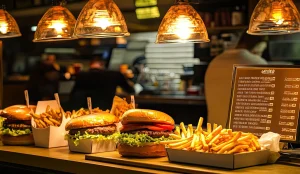
Fast food places have been described with their major features: velocity, cheapness, and a taste that is known. They have a brief menu that is easy to instruct the personnel. Customers make a call about the products before the order, so the queue moves very quickly. Such a system is very successful in locations full of people who are impatient with waiting. The reason it works is that it stays consistent even during rush hours. If combined with good branding and steady quality, fast food restaurants have the potential for rapid expansion with few complications, thus making them a safe option for long-term growth.
Examples
- McDonald’s
- Burger King
- Wendy’s
- KFC
- Taco Bell
2. Quick service restaurants
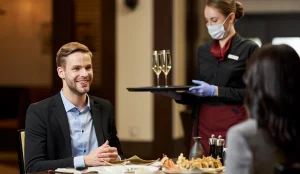
Quick service restaurants are often thought of as the next-door cousins of fast food, only with a little more freshness involved. The people place their order at the counter, wait for a very short time, and then get their meal. Such a facility cuts the need for staff and makes the company more efficient. QSRs thrive near offices, malls, and places where people rush between tasks. They balance speed and taste, which makes customers return. In 2025, this type will continue growing because it fits the rhythm of daily life. It keeps customers moving but still gives them something satisfying.
Examples
- Subway
- Chipotle
- Panda Express
- Jersey Mike’s
- Jimmy John’s
3. Fast casual restaurants
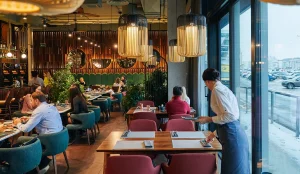
Fast casual restaurants have a winning combination of qualities that most people would find hard to resist. On the one hand, they prepare meals that are fresher and of better quality than those of fast food; on the other hand, customers are not made to wait for a long time, as in the case of full dining. A fast casual restaurant is an ideal eating place for someone who is in a hurry and wants to eat something good at a reasonable price. The diners get casual seating and a simple decor to take a break from their fast-paced life.
Examples
- Panera Bread
- Shake Shack
- Sweetgreen
- Five Guys
- MOD Pizza
4. Casual dining restaurants

Casual dining restaurants give people a place to slow down. Servers take orders, meals come warm, and guests take their time. Families love these spots for weekend meals and small celebrations. The comfort helps build loyalty because people feel cared for. This model needs more staff, but it also brings bigger bills and longer conversations. If your city enjoys relaxed dining, this type can grow steadily. Casual dining works best when food feels like something customers would proudly share with loved ones.
Examples
- Chili’s
- Applebee’s
- Olive Garden
- TGI Fridays
- Red Lobster
5. Fine dining restaurants
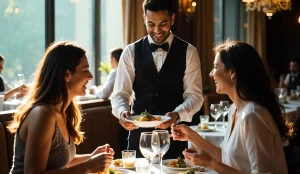
Fine dining restaurants are very detail-oriented in aspects that most other places overlook. Gorgeous plating, dim lighting, polite staff, and food that is more of an experience than a meal. It requires money, but people who are into luxury meals are not hesitant to pay more. Such a type gets popular via word of mouth. When people have confidence in your quality, they come on their birthdays, anniversaries, and other special occasions. The problem with it is having high standards, but the benefit is a solid brand. Fine dining is about making memories, and memories are what keep the business going for a long time.
Examples
- Eleven Madison Park
- The French Laundry
- Per Se
- Le Bernardin
- Alinea
6. Family-style restaurants
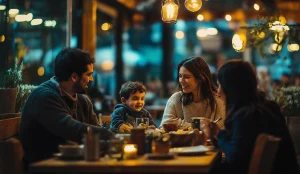
These are the kind of eating places that are characterized by the provision of a comfortable and informal environment, where the dishes are served on large plates with the intention of sharing. These places are visited by the families who are in search of basic, yet comforting, meals, and do not have to be concerned about the individual portioning of the dishes. The vibe is very laid back, and you could almost say that it is like having a meal at the home of your friend. Such a system works successfully in the areas of the city that are mainly residential and where the locals are in search of a friendly place that they can rely on. Since families return often, the customer base stays steady. It also brings higher orders because sharing plates usually means more food on the table.
Examples
- Cracker Barrel
- Buca di Beppo
- Golden Corral
- Luby’s
- Romano’s Macaroni Grill
7. Buffet restaurants
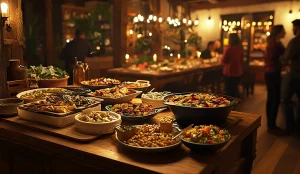
Buffet restaurants let people pick what they want, try many dishes, and enjoy as much as they like. They work wonderfully for groups because everyone finds something that fits their taste. You need good planning to manage food waste and freshness, but the high weekend footfall balances that challenge. Buffets grow well in cities where families and large groups enjoy slow, relaxed meals. Variety becomes the strongest selling point. When people leave full and happy, they tend to return.
Examples
- Golden Corral
- Sweet Tomatoes
- Shakey’s Buffet
- HomeTown Buffet
- Cici’s Pizza Buffet
8. Coffee shops

Cafés are the places where people who need a quiet corner come. These could be students, remote workers, friends catching up, or even a person who is just sitting alone with a warm drink. Such establishments operate in smaller spaces with lighter menus. Their expansion is attributed to the development of a cozy atmosphere that appears to be inviting. A nice café turns into a daily habit for the people. They return not only for the coffee but also for the comfort. In 2025, the growth of cafés will be sustained as they are the places that people will crave as a soft pause in their hectic day.
Examples
- Starbucks
- Dunkin’
- Tim Hortons
- Peet’s Coffee
- The Coffee Bean
9. Bistros
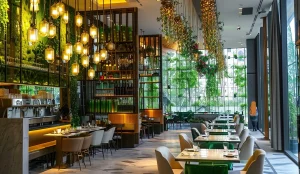
Bistros and brasseries sit calmly between cafés and dining restaurants. They serve simple meals and warm drinks and create a peaceful setting for long talks. They don’t demand luxury. They rely on comfort and honest flavors. This model grows well in residential areas or quieter streets where people appreciate slow meals. The charm comes from being friendly and consistent. These places often become neighborhood favorites because customers feel understood and welcomed without any fancy show.
Examples
- Balthazar
- Café Luxembourg
- Pastis
- Le Diplomate
- Minetta Tavern
10. Food trucks
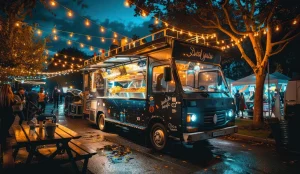
Food trucks offer freedom. You can move to busy spots, events, colleges, or festivals. They need less investment than big restaurants, which makes them easier to start. Their menu is usually tight and creative. Many popular restaurants today started from trucks. Growth comes from flexibility. If one area doesn’t perform, you can shift to another. Food trucks attract younger crowds who enjoy trying fresh, exciting meals without sitting down. They will continue growing because outdoor food still feels fun.
Examples
- Kogi BBQ Truck
- The Halal Guys
- Wafels and Dinges
- Marination Mobile
- Taco Stand Trucks
11. Pubs, bars, and breweries
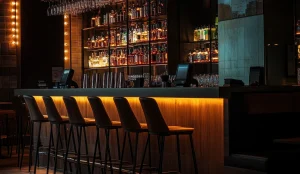
Pubs and bars bring the energy back into people’s lives after long, tiring days. Drinks, snacks, music, and friendly conversations are the ingredients that make the vibe. These places bloom during the nights and weekends. Breweries with craft drinks lure the loyal customers who are keen on trying the new flavors. This kind of restaurant becomes successful when the owners love to entertain and keep the atmosphere vibrant. Development results from events, happy hours, and the presence of groups that regularly gather. People come back because of the bond they have with the place, and not only because of the drinks.
Examples
- Gordon Biersch
- Buffalo Wild Wings
- Yard House
- Irish Pub chains
- BrewDog
12. Contemporary casual restaurants
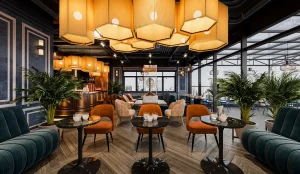
Contemporary casual restaurants follow fresh ideas. Clean flavors, modern dishes, open interiors, and simple plating. They attract younger adults who enjoy stylish yet comfortable meals. Their menus change with trends, which keeps things interesting. Growth happens because customers love new food styles that still feel affordable. These restaurants don’t try too hard to impress. They focus on relaxed experiences that match the easy-going energy of 2025.
Examples
- True Food Kitchen
- Flower Child
- Cava
- Urban Plates
- Dig Inn
13. Diners and all-day diners
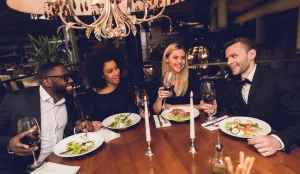
Diners feel nostalgic. Bright lights, friendly servers, long menus, and a comfort that never tries to pretend. People come at any hour because diners stay open from morning till night. All-day diners especially attract regulars who want flexible meals. Growth comes from familiarity. People return because they know the place won’t change too much. These restaurants work well in busy streets where people need quick but warm meals throughout the day.
Examples
- Denny’s
- IHOP
- Waffle House
- Silver Diner
- Black Bear Diner
14. Ghost restaurants
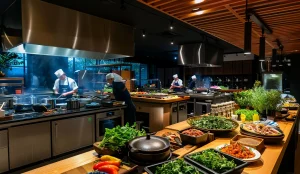
Ghost restaurants are strictly delivery-focused. They do not have any seating, decorative elements, or even a façade, just a kitchen. This lowers the expenses, and the business remains less complicated. One can say that the expansion is also facilitated, as it is possible to have several brands operating under the same premises. The trend of ghost kitchens will still be growing as the number of people opting for home delivery keeps increasing. These restaurants are very much in line with contemporary eating habits, and at the same time, they give the freedom to the owners to try out different menu items without worrying about the financial side of it.
Examples
- MrBeast Burger
- Wow Bao
- Pasqually’s Pizza
- Reef Kitchens
- CloudKitchens brands
15. Delivery-only restaurants

Delivery-only restaurants follow a similar idea but focus heavily on packaging, speed, and online visibility. They don’t worry about foot traffic. They worry about how quickly food reaches customers. Growth comes through strong delivery flow and good customer reviews. This type works well in crowded cities where people depend on home delivery for everyday meals.
Examples
- All Day Kitchens brands
- DoorDash Kitchens
- Uber Eats Originals
- Local Bento Delivery Brands
- Wings-only delivery spots
16. Pop-up restaurants

Pop-up restaurants appear temporarily. They create excitement because customers know the concept won’t stay forever. Chefs use them to test ideas or introduce new cuisines. They don’t require a huge investment. Growth comes from curiosity and limited time. People hurry to try pop-ups before they disappear. This type will keep growing because people love trying something new and special.
Examples
- Seasonal chef pop-ups
- Holiday pop-ups
- Menu-testing pop-ups
- Collab chef pop-ups
- Limited-time ramen pop-ups
17. Specialty cuisine restaurants
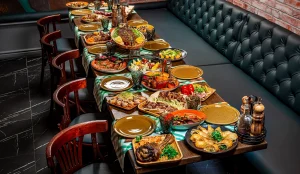
Specialty cuisine restaurants focus strongly on one dish or one theme. Ramen, biryani, tacos, dumplings, wings, grilled chicken, anything. Customers love the clarity. When you specialize, your brand becomes easier to remember. Growth comes naturally because people trust you with that one dish. Specialty restaurants often turn into cult favorites in their neighborhoods.
Examples
- Ramen bars
- Taco taquerias
- Sushi-only bars
- Biryani houses
- Korean BBQ joints
18. Bakeries and bakery cafés
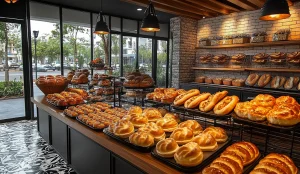
Bakeries fill the air with warmth and smell. Fresh bread, pastries, cookies, and cakes pull people inside without much effort. Bakery cafés grow well because they serve both snacks and drinks. Customers stop by for quick bites or slow evenings. This type stays strong in almost every neighborhood because baked food never loses charm.
Examples
- Paris Baguette
- Panera Bread
- Le Pain Quotidien
- Magnolia Bakery
- Corner Bakery Café
19. Pizzeria restaurants
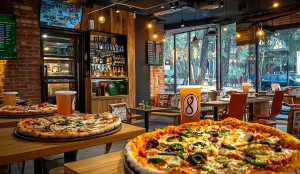
Pizzerias attract nearly everyone. Pizza works for kids, adults, families, friends, and office teams. You can serve dine-in, takeout, and delivery without changing much. Growth comes from repeat orders because pizza is something people often crave. With a good oven and consistent taste, pizzerias stay stable even during slow seasons.
Examples
- Domino’s
- Pizza Hut
- Papa John’s
- Blaze Pizza
- Little Caesars
20. Dessert shops and pastry cafés
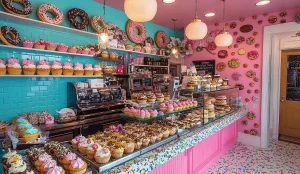
Dessert shops bring out joy. Sweet treats, fun presentation, and cozy seating make people feel light. Teens and families visit these spots regularly. These shops don’t need heavy cooking equipment, which keeps things simple. Growth becomes easier when your desserts are photogenic because social media spreads the word faster. This type works best in malls and busy market areas.
Examples
- Baskin Robbins
- Krispy Kreme
- Dairy Queen
- The Cheesecake Factory Bakery
- Cold Stone Creamery
21. All-day cafés

All-day cafés serve breakfast bowls, light meals, coffee, and snacks from morning till late evening. They attract students, remote workers, and older adults who enjoy calm spaces. Growth comes from long sitting hours and repeated visits. Customers who feel comfortable often turn into daily regulars. These cafés become small refuges from noisy streets.
Examples
- Bluestone Lane
- Le Pain Quotidien
- Breakfast Republic
- Eggslut
- The Butcher’s Daughter
22. Cafeteria or canteen-style restaurants
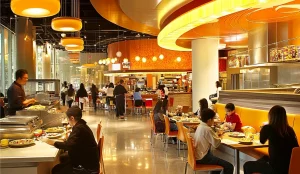
Cafeteria-style restaurants work best in offices, schools, and hospitals. Customers pick their dishes from a counter, which keeps service quick. You don’t need many staff. Growth comes from routine. People visit daily because they trust the convenience. These restaurants need good speed and a simple flow to work smoothly.
Examples
- IKEA Cafeteria
- Google Campus Cafeterias
- School canteens
- Hospital cafeterias
- Government office canteens
23. Food halls and food courts
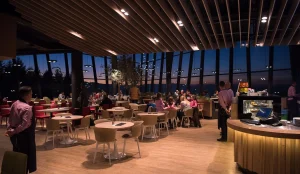
Food halls bring many brands together under one roof. Customers come because they can choose from multiple cuisines. This gives small restaurant owners a chance to grow without investing in a big space. Footfall stays strong because groups love variety. Growth comes from exposure. People find your food even without searching for it.
Examples
- Time Out Market
- Eataly
- Urbanspace Food Hall
- Hawkers Market
- Mall food courts
24. Takeaway-only outlets

Takeaway outlets focus on speed, packaging, and convenience. They don’t need seating or large interiors. Growth comes from high volume and low overhead. These outlets work well near offices, bus stops, stations, and crowded markets. People grab food on their way home or to work. Simple menus keep things smooth.
Examples
- Local sandwich pickup spots
- Sushi to-go counters
- Small curry takeout joints
- Hotdog takeaway counters
- Chicken strip takeaway shops
25. Cloud kitchens
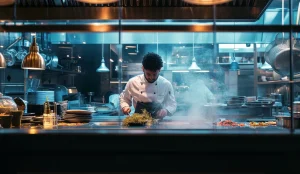
Cloud kitchens run multiple restaurant brands from one kitchen. Owners use the same space to sell different cuisines. This saves rent and staffing costs. Growth comes fast when the menus work well online. Cloud kitchens fit modern life because people keep ordering from apps more than ever. They allow experimentation without big risk.
Examples
- CloudKitchens
- Kitopi
- Virtual Dining Concepts
- Rebel Foods
- REEF Kitchens
26. Ethnic or international cuisine restaurants
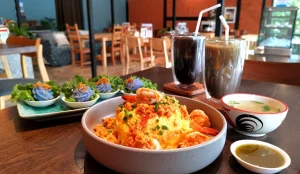
Ethnic restaurants celebrate unique flavors from around the world. Customers enjoy the authenticity. These restaurants grow well in cities where people love trying new dishes. Strong cultural identity helps them stand out. Growth comes from storytelling, flavors, and warm hospitality. People return because the food feels honest and different from regular spots.
Examples
- Thai Basil Spots
- Korean BBQ restaurants
- Mexican taquerias
- Indian curry houses
- Lebanese shawarma restaurants
27. Vegan or vegetarian restaurants
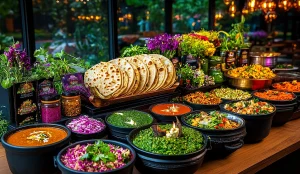
Vegan and vegetarian restaurants attract health-conscious customers. With more people caring about clean eating, this type has grown fast. These restaurants focus on vegetables, grains, and plant proteins. Growth happens when menus taste exciting instead of boring. Many non-vegetarians also enjoy them for lighter meals. This type fits modern lifestyle changes.
Examples
- Veggie Grill
- Planta
- Native Foods
- Loving Hut
- Sweet Veggie
28. Seafood restaurants
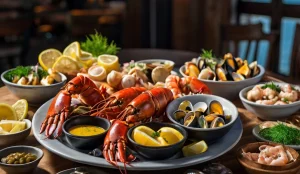
Seafood restaurants focus on freshness and careful preparation. Good sourcing is the key. Customers visit for bold flavors and special meals. This type grows strongly near coastal cities or places with people who love seafood plates. These restaurants often become family celebration spots. Higher pricing also brings better revenue when quality stays consistent.
Seafood restaurants focus on freshness and careful preparation. Good sourcing is the key. Customers visit for bold flavors and special meals. This type grows strongly near coastal cities or places with people who love seafood plates. These restaurants often become family celebration spots. Higher pricing also brings better revenue when quality stays consistent.
Examples
- Red Lobster
- Bonefish Grill
- Captain D’s
- The Boiling Crab
- Legal Sea Foods
29. Barbecue restaurants or grill restaurants
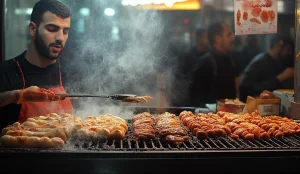
Barbecue restaurants serve smoky plates that feel hearty. They attract groups who enjoy sharing grilled dishes. This type grows well in family-friendly neighborhoods. The cooking method becomes the main attraction. People visit for the bold taste and warm vibe. Weekends bring strong business because barbecue naturally brings people together.
Examples
- Famous Dave’s
- Dickey’s Barbecue Pit
- Texas Roadhouse
- Mission BBQ
- Smokey Bones
30. Steakhouse restaurants
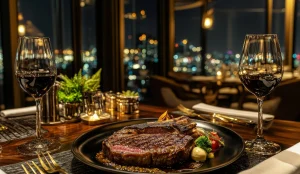
Steakhouses offer premium cuts cooked with skill. They attract customers who appreciate quality and don’t mind paying more. This type grows through trust. When people know your steak is always good, they return for special nights. It requires careful sourcing and technique, but the return can be very strong. Steakhouses often become city landmarks.
Examples
- Ruth’s Chris Steak House
- Morton’s
- Texas Roadhouse
- Outback Steakhouse
- LongHorn Steakhouse
31. Fusion cuisine restaurants
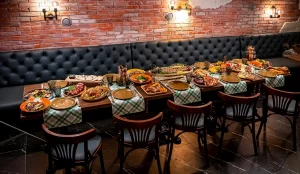
Fusion restaurants mix flavors from different cultures to create new experiences. They attract younger crowds who love adventurous meals. The creativity helps the restaurant stand out from typical options. Growth comes from surprise and uniqueness. When dishes feel fresh and fun, customers talk about them. This type fits cities that enjoy playful food experiences.
Examples
- Poké fusion spots
- Asian Mexican fusion
- Indo-Chinese fusion
- Sushi burrito places
- Korean tacos
32. Romantic or date-night restaurants

Date night restaurants focus on soft lighting, calm music, and cozy seating. Couples choose them for special evenings. This type grows more from quality than quantity. You may not have huge crowds daily, but each table brings high value. Good ambiance and warm service spread quickly through reviews. Romance never goes out of demand.
Examples
- Melting Pot
- The Little Door
- Candlelight fine dining
- Rooftop date restaurants
- Wine bar dining rooms
33. Health-focused or wellness restaurants
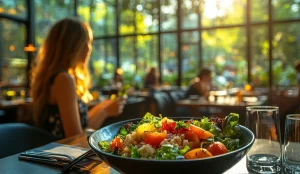
Wellness restaurants serve clean meals, smoothies, salads, and fresh bowls. They attract people who exercise, work long hours, or want light food. Growth comes from the rising trend of healthy eating. These restaurants build trust when they use honest ingredients. Many customers return daily because the food fits their lifestyle.
Examples
- Sweetgreen
- Just Salad
- True Food Kitchen
- Freshii
- The Salad Station
34. Grab-and-go kiosks
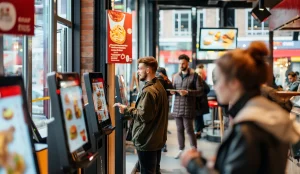
Grab-and-go kiosks offer quick bites like sandwiches, wraps, or drinks. They need tiny spaces and fewer staff. Growth comes from high foot traffic in busy areas. People love quick snacks when rushing. These kiosks can expand fast in stations, airports, and malls. They fit modern, fast-moving routines perfectly.
Examples
- 7-Eleven hot food kiosks
- Pret A Manger grab stations
- Train station snack kiosks
- Smoothie kiosks
- Wrap and sandwich kiosks
35. Kid-friendly or family-focused restaurants
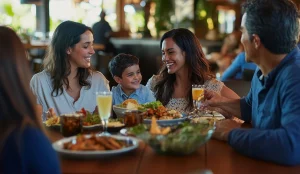
Family-focused restaurants make life easy for parents. Kids’ menus, open seating, and safe spaces help families relax. This type grows through repeat visits because families return to places where children feel comfortable. The meals are simple, the vibe is warm, and the staff knows how to make everyone feel at home.
Examples
- Chuck E. Cheese
- Cracker Barrel
- Pizza Hut dine-in
- Friendly’s
- Red Robin
How iShopo Helps You Work Across Different Types of Restaurants?
Managing different restaurant types can feel chaotic, but iShopo makes the whole process smoother without forcing you to change how you work. It puts your online orders, POS, menu updates, payments, and app features together in one simple dashboard. So whether you run a café, a fast food outlet, a family restaurant, a food truck, or even a cloud kitchen, everything stays connected. You don’t jump between apps or worry about missing orders. Every update reflects instantly everywhere, which saves time and avoids mistakes that usually happen on busy days.
iShopo also grows with you when your restaurant changes or expands. You can:
- Offer online ordering with zero commission
- Launch your own branded iOS and Android app
- Sync menus, categories, and prices across all outlets
- Manage delivery zones, pickup spots, and multi-branch routing
- Use loyalty points, coupons, and customer rewards
- Send push alerts for promos or slow days
- Track sales, order trends, and customer habits with easy reports
These tools help different restaurant types work more smoothly because they remove the confusion that comes with manual systems. As your business grows or shifts direction, iShopo stays flexible, keeping everything simple and organized so you can focus more on food and customers instead of daily stress.
Conclusion
Choosing the right path in the food business is never simple, but understanding different restaurant types helps you see things with a clearer mind. Every model has its own charm, its own pace, and its own way of growing. When you study the types of restaurants that fit your crowd, budget, and location, everything starts falling into place. Growth feels less scary and more like a steady climb you can handle. And if you ever want help running things smoothly, you can always explore tools like iShopo at ishopo.ca.
FAQ
- What restaurant type is the best for new owners?
If you’re just starting, the best choice depends on how much time, money, and energy you can handle. Many new owners begin with smaller setups like cafés, food trucks, or takeaway spots because they cost less and feel easier to control. You learn a lot without drowning in pressure. Once you understand your customers, you can upgrade to bigger concepts. The biggest mistake is choosing something huge before knowing what your area actually needs.
- How do restaurant types affect business growth?
Different restaurant types grow at different speeds. Fast food and quick service spots grow faster because they bring high footfall. Casual dining or fine dining grows slowly, but builds strong relationships. The trick is matching your type with your location and the people around you. When customers connect with your menu, prices, and vibe, the whole business starts feeling stable. Growth usually comes from small things done right, not massive decisions made overnight.
- What types of restaurants work best in 2026?
The types of restaurants that will shine in 2026 are the ones that understand people’s lifestyles. Fast casual, cafés, delivery kitchens, and specialty spots will stay strong because customers love quick, clean, honest meals without stress. But it also depends on your city. Sometimes, a calm family restaurant grows faster than a modern setup. The goal is not to copy trends but to create a place that feels right for your customers and fits naturally into their routine.
- How do I choose the right concept for my area?
Choosing the right concept starts with watching your area. Look at who walks around, how busy the streets get, what people already eat, and what’s missing. Some restaurant types work great in office zones, while others grow better in residential spots. You don’t need a huge budget to succeed. You just need a concept that makes people feel like your place solves a small daily problem, whether it’s slow meals, quick snacks, or easy online orders.
- Can a restaurant switch from one type to another later?
Yes, many restaurants shift over time. A small café might turn into a full dining place. A delivery kitchen might open a dine-in space. The types of restaurants you start with don’t define your whole future. What matters is learning from your customers and understanding what they want more of. If you make changes slowly and honestly, people accept them. Growth usually shows you where to go next, and most successful owners adjust their model at least once.