
Customers in Canada are picking up their phones long before they pick up a menu, and restaurants are feeling that shift every single day. People want speed, clarity, and control when they order, and the mobile path often feels more natural than waiting in line or calling in. Operators are watching this behavior play out in real time, and it signals a wide change in how meals are discovered, ordered, and delivered.
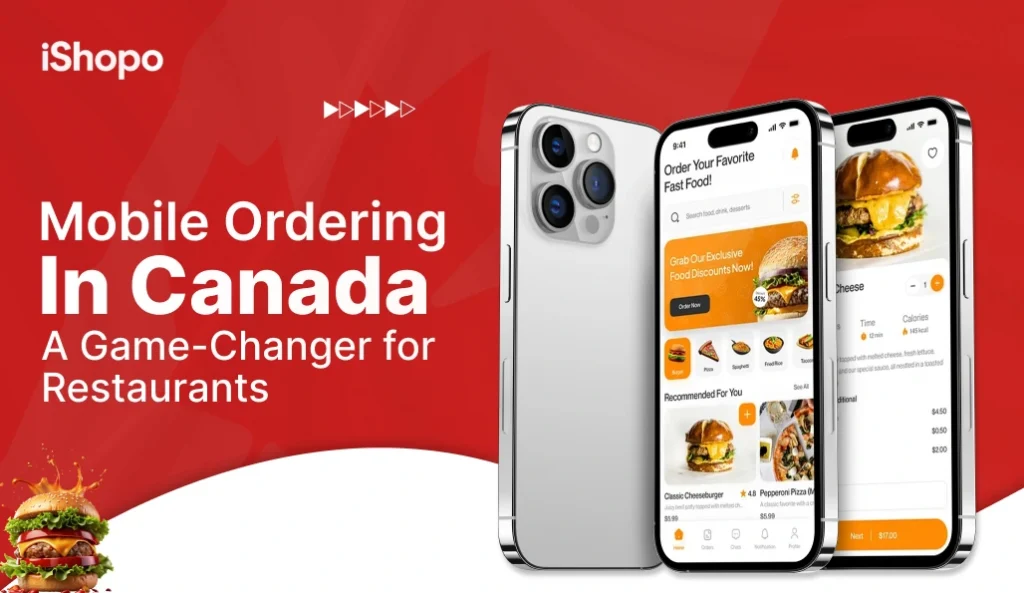
Mobile Ordering In Canada is no longer a trend on the sidelines. It has moved into the center of how guests interact with food businesses of every size. When customers get a simple way to browse, customize, and pay, they stick around. When restaurants streamline the flow behind the scenes, they work smarter and boost their bottom line.
This blog walks through the full picture so you can understand what is driving the change and how it affects your business.
TL;DR
- Mobile ordering has become a primary way Canadians choose and purchase food.
- Restaurants gain higher efficiency, stronger margins and better customer insight through digital ordering.
- Guests expect clarity, speed and transparency throughout the online food journey.
- Operators that adopt mobile-first systems are better prepared for growth and competition.
Key Points
- Mobile ordering adoption in Canada continues to rise as more diners choose convenience over traditional dine-in or phone ordering.
- Online ordering drives measurable revenue growth and is now a central channel for many restaurants.
- Customers expect clear menus, smooth checkout, flexible payment options and real-time updates when they order online.
- Mobile-first systems improve kitchen workflow, reduce errors and support stronger staff efficiency.
- Digital channels give restaurants access to valuable customer data that helps improve menu planning, marketing and guest retention.
- Cost awareness and proper technology integration are essential as restaurants navigate the shift to digital ordering.
- Operators who prepare for compliance, training and customer adoption challenges are more likely to create a stable and scalable digital ordering experience.
Mobile Ordering In Canada (The Numbers Restaurants Need To See)
Current adoption among diners
Large portions of Canadians now rely on online ordering. According to a 2025 survey, 54 percent of Canadians prefer ordering food delivery via apps or websites rather than traditional channels such as phone or walk-in.
Using delivery or takeout at least once a month is also fairly common; one recent study found 27.4 percent of Canadians place orders through delivery apps more than once a month.
Beyond frequency, online ordering also changes who gets tried: among Canadians who use delivery services, 81 percent say they are likely to try a restaurant they have never visited before.
The picture is clear. “Canada mobile ordering” is no longer a fringe option. It is part of many Canadians’ routine, delivering convenience, variety, and quick access.
Revenue impact and growth trends
The shift toward online ordering shows up clearly in revenue and market growth. In 2024, Canada’s online food delivery market generated roughly USD 18,990.9 million in revenue.
Analysts expect continued growth: the market is projected to reach about USD 28,638.8 million by 2030, growing at a compound annual growth rate of 7.7 percent.
That’s substantial growth over a relatively short period. For restaurant operators this means online ordering is not just a nice extra; it represents a growing core business channel.
How mobile ordering compares with dine-in or phone-order channels
The shift to online and takeout/delivery is changing how Canadians dine overall. A 2025 industry report found that 30 percent of Canadians order takeout or delivery at least once a week a higher rate than those who dine out in restaurants weekly (about 24 percent)
Many more diners now choose convenience and flexibility over the traditional dine-in experience or phone ordering. That leads to a rebalancing of demand; dine-in remains relevant, but delivery and takeout are now substantial and likely growing.
Restaurants relying only on dine-in or phone-in orders may be missing out. Adapting to digital ordering helps meet consumer expectations and taps an expanding revenue stream.
Also, read: 10 Best Restaurant Ordering Systems For Food Businesses
What Guests Expect From Their Online Food Journey
When people in Canada order food online, they bring clear expectations with them. As mobile ordering becomes the norm, restaurants and delivery services need to match those expectations to win loyalty.
Here’s what diners want most and what it means if you run a restaurant that embraces Mobile Ordering In Canada.
Easy browsing and clear menu information
- Many Canadians who use delivery platforms pick restaurants based on menu variety and pricing. In a recent report, 56 percent of Canadians say menu pricing influences their choice, and 54 percent say the variety offered on the menu matters.
- Surveys of user behavior show that convenience and clarity are key drivers for online ordering; shoppers tend to prefer services that let them quickly compare options, view detailed menus, and decide what to order in minutes.
Your online menu must be easy to navigate, clearly priced, and easy to understand. Confusing menus or hidden fees can turn guests away before they even click “order.”
Real-time order tracking and communication
- Majority of consumers say they expect to be able to track their orders in real time once they place them.
- Many customers consider tracking and regular updates important. If real-time tracking is not available, they may look for other providers.
Your delivery system should offer transparency. Guests want to know when food is prepared, when it leaves the kitchen, and when it will arrive. Timely updates and tracking build trust and make them more likely to order again.
Flexible payment and checkout options
- Payment flexibility matters more than ever. Canadian diners expect to pay in whatever way suits them, whether that’s online payment, mobile wallet, or familiar traditional methods without friction. Reports on software-driven food ordering highlight that easy payment and checkout are now baseline expectations rather than optional amenities.
- This flexibility also helps reduce barriers for first-time users and increases the chance of repeat orders.
Transparent pickup and delivery experience
- For those choosing takeout or delivery instead of dine-in, transparency doesn’t end at checkout. They expect clear information about delivery or pickup windows and notices if there are delays and accurate order statuses from order accepted to food prepared to en route or ready for pickup. Real-time tracking combined with notification updates satisfies this need and reduces uncertainty.
- When guests feel in control and well-informed through the entire journey, they are more likely to return and even recommend the service.
Operators who meet these expectations position themselves well in the digital-first dining landscape. Clean menus, smooth checkout, real-time tracking, and transparent service build trust. That can translate into repeat customers, positive reviews, and a greater share of orders, especially from convenience-focused consumers.
Why Canadian Restaurants Are Adapting To Mobile First Dining
Restaurants across Canada are shifting rapidly toward mobile-first ordering. What this really means is that many operators no longer see online ordering as optional; it is essential. Below is what drives this shift and why it matters for operators.
Shifting consumer preferences toward convenience
- More than half of Canadian consumers now prefer ordering food through third-party apps or websites.
- This reflects a clear demand for convenience. People value the ability to browse menus, order, pay and get delivery or pickup all from their phones. As lifestyles get busier, that convenience becomes a deciding factor when people choose where to eat.
- Because of this rising demand, restaurants that don’t offer easy online ordering risk losing customers who simply don’t want the hassle of calling or visiting in person.
Efficiency gains in kitchen and service operations
- Switching to mobile-first ordering helps streamline internal operations. Restaurants using integrated ordering systems and modern point-of-sale (POS) tools report improved order management, faster processing and better handling of orders from multiple channels.
- With fewer manual steps (less phone handling, less human error, and less order confusion), staff can focus more on preparing food and maintaining quality. That improves service speed and reduces mistakes.
- Especially during peak hours or busy days, digital ordering helps maintain smooth workflow and lowers pressure on staff, which ultimately improves efficiency and consistency.
Building competitive advantage and customer loyalty
- Mobile ordering allows restaurants to expand their reach far beyond local foot traffic. Delivery platforms let them serve customers who might never visit the physical store, offering a chance for wider exposure and new orders.
- When a restaurant provides a smooth mobile ordering experience, it builds trust and convenience. That attracts repeat customers and encourages loyalty.
- Beyond that, digital ordering gives operators access to data on what dishes are popular, peak times, and order frequency. That information helps tailor menus, promotions and customer offers to drive repeat business.
Preparing for growth and scalability
- The food delivery market in Canada continues to grow. In 2024 the overall online food delivery market generated nearly USD 19,000 million in revenue.
- Continued growth suggests demand will keep rising. Restaurants that adopt mobile-first ordering now are better positioned to scale without major overhead. They don’t need to expand physical dining space to handle more orders.
- With digital tools and streamlined operations, restaurants can manage larger volumes, adapt faster and reach more customers, preparing them for future expansion and market shifts.
Embracing Mobile Ordering In Canada isn’t just about staying current; it’s about aligning with customer demand, running more efficient operations, gaining a competitive advantage, and setting a foundation for future growth.
Suggested article: How to Create Online Ordering for Restaurant: A Setup Guide 2026
What This Shift Means for Restaurant Operators
The rise of Canada mobile ordering changes how restaurants work behind the scenes and how they plan for the future. It affects staffing, cost structure, customer relationships and marketing. Here is how operators can understand the impact with clarity.
Effects on staffing and kitchen workflow
When more orders come through mobile channels, the kitchen needs a structured workflow. Teams spend less time answering phones and more time on preparation and quality control. Orders enter the system in a clear format, which reduces errors and helps staff stay organized during busy periods.
Front-of-house teams can focus more on guest support, pickups and resolving special requests. This balance often improves service quality without increasing headcount.
Cost implications and margin considerations
Mobile ordering introduces a different cost picture. Restaurants save time on manual order handling, but they also need to evaluate software fees, third-party commissions and potential hardware upgrades.
Many operators shift toward direct online ordering to improve margin control. With a direct system, fees are predictable and profits stay closer to the business. As canada mobile ordering grows, understanding these costs helps operators plan pricing, portion control and promotions more effectively.
Leveraging customer data and relationship building
Digital orders provide valuable information about customer behavior. Operators can see what people order most often, when they order, how frequently they return and what items create higher cart value.
This information supports better decisions on menu development, upselling, promotions and inventory planning. It also helps build stronger relationships because communication can be targeted, relevant and consistent.
Marketing opportunities and encouraging repeat business
Mobile ordering opens new pathways for marketing. Restaurants can promote limited-time items, offer targeted discounts and send timely reminders to past customers. A strong mobile presence makes it easier for diners to remember the brand and come back.
Clear menu presentation and smoother ordering also encourage customers to return without hesitation. A consistent experience builds trust, and trust leads to repeat business.
Challenges and What To Watch Out For
As Mobile Ordering In Canada becomes a core part of the restaurant landscape, operators face practical challenges that need thoughtful solutions. Understanding these areas helps restaurants adopt digital ordering without disruption.
Technology integration and staff training
Many restaurants struggle when new systems do not fit smoothly into existing workflows. Point of sale tools, ordering software and kitchen display systems must work together without confusion.
A practical solution is to choose platforms that offer simple onboarding, clear documentation and reliable customer support. Staff training should be scheduled in short, focused sessions so the team learns how to manage orders, update menus and troubleshoot basic issues. Consistent practice builds confidence and reduces hesitation during busy hours.
Hidden costs or maintenance overheads
Digital ordering tools come with fees, updates and possible add-ons. Some restaurants discover these costs only after adoption.
To avoid surprises, operators should evaluate all pricing components at the start. This includes setup fees, monthly software charges, hardware needs and payment processing rates. A cost review every quarter helps keep budgets accurate and prevents unexpected strain on margins.
Obstacles in customer adoption
Not every customer is comfortable switching to online ordering. Some prefer phone orders or walk-ins because they are familiar.
Restaurants can guide customers gradually by promoting easy-to-use ordering links, displaying QR codes at the counter and offering small incentives for first-time digital orders. Clear menu layouts and simple checkout steps also help reduce hesitation and encourage customers to try the online experience.
Regulatory or compliance issues
Digital transactions involve data security, payment compliance and record keeping. Restaurants must follow local privacy rules and maintain proper protection for customer information.
Working with trusted payment providers and certified software vendors helps reduce risk. Regular policy reviews keep the business aligned with Canadian regulations related to data protection and digital transactions. This approach builds customer trust and protects the business.
Also, read: How To Choose Cafe Ordering System for Your Small Business
Final Words
Mobile Ordering In Canada is no longer a side trend. It is a core part of how people decide what to eat and where to order from. Customers want clarity, speed and convenience, and canada mobile ordering has become the path that delivers all three. Restaurants that adapt gain stronger workflows, better margins, deeper customer insight and a more consistent flow of repeat business.
This shift also creates an opportunity for operators to rethink how they present their menu and how they stay connected with guests. A strong mobile presence can lift visibility, boost trust and keep customers coming back without extra effort from the staff.
iShopo is built for this new landscape. It gives restaurants a custom-branded online ordering platform that feels simple for customers and manageable for teams. Menus stay organized, checkout is quick, and orders enter the kitchen in a clean format that supports accuracy. Restaurants gain full control over their digital ordering without relying on costly third-party channels.
If you want your business to thrive in the future of Mobile Ordering In Canada, a platform like iShopo helps you move forward with confidence and gives your customers an experience they will choose again and again.